Sunday, October 16, 2016

The List of Clinton Associates Who’ve Died Mysteriously. Check It Out.

This list has been around for awhile, but worth a re-post. I’m not the conspiracy type, but this is just TOO coincidental. – Heidi Harris
THE CLINTON DEAD POOL
1- James McDougal – Clintons convicted Whitewater partner died of an apparent heart attack, while in solitary confinement. He was a key witness in Ken Starr’s investigation.
2 – Mary Mahoney – A former White House intern was murdered July 1997 at a Starbucks Coffee Shop in Georgetown .. The murder …happened just after she was to go public w:th her story of sexual harassment in the White House.
3 – Vince Foster – Former White House counselor, and colleague of Hillary Clinton at Little Rock’s Rose Law firm. Died of a gunshot wound to the head, ruled a suicide.
4 – Ron Brown – Secretary of Commerce and former DNC Chairman. Reported to have died by impact in a plane crash. A pathologist close to the investigation reported that there was a hole in the top of Brown’s skull resembling a gunshot wound. At the time of his death Brown was being investigated, and spoke publicly of his willingness to cut a deal with prosecutors. The rest of the people on the plane also died. A few days later the Air Traffic controller commited suicide.
5 – C. Victor Raiser, II – Raiser, a major player in the Clinton fund raising organization died in a private plane crash in July 1992.
6 – Paul Tulley – Democratic National Committee Political Director found dead in a hotel room in Little Rock , September 1992. Described by Clinton as a “dear friend and trusted advisor”.
7 – Ed Willey – Clinton fundraiser, found dead November 1993 deep in the woods in VA of a gunshot wound to the head. Ruled a suicide. Ed Willey died on the same day his wife Kathleen Willey claimed Bill Clinton groped her in the oval office in the White House. Ed Willey was involved in several Clinton fund raising events.
8 – Jerry Parks – Head of Clinton’s gubernatorial security team in Little Rock .. Gunned down in his car at a deserted intersection outside Little Rock Park’s son said his father was building a dossier on Clinton He allegedly threatened to reveal this information. After he died the files were mysteriously removed from his house.
9 – James Bunch – Died from a gunshot suicide. It was reported that he had a “Black Book” of people which contained names of influential people who visited prostitutes in Texas and Arkansas
10 – James Wilson – Was found dead in May 1993 from an apparent hanging suicide. He was reported to have ties to Whitewater..
11 – Kathy Ferguson – Ex-wife of Arkansas Trooper Danny Ferguson, was found dead in May 1994, in her living room with a gunshot to her head. It was ruled a suicide even though there were several packed suitcases, as if she were going somewhere. Danny Ferguson was a co-defendant along with Bill Clinton in the Paula Jones lawsuit Kathy Ferguson was a possible corroborating witness for Paula Jones.
12 – Bill Shelton – Arkansas State Trooper and fiancee of Kathy Ferguson. Critical of the suicide ruling of his fiancee, he was found dead in June, 1994 of a gunshot wound also ruled a suicide at the grave site of his fiancee.
13 – Gandy Baugh – Attorney for Clinton’s friend Dan Lassater, died by jumping out a window of a tall building January, 1994. His client was a convicted drug distributor.
14 – Florence Martin – Accountant & sub-contractor for the CIA, was related to the Barry Seal, Mena, Arkansas, airport drug smuggling case. He died of three gunshot wounds.
15 – Suzanne Coleman – Reportedly had an affair with Clinton when he was Arkansas Attorney General. Died of a gunshot wound to the back of the head, ruled a suicide. Was pregnant at the time of her death.
16 – Paula Grober – Clinton’s speech interpreter for the deaf from 1978 until her death December 9, 1992. She died in a one car accident.
17 – Danny Casolaro – Investigative reporter, investigating Mena Airport and Arkansas Development Finance Authority. He slit his wrists, apparently, in the middle of his investigation.
18 – Paul Wilcher – Attorney investigating corruption at Mena Airport with Casolaro and the 1980 “October Surprise” was found dead on a toilet June 22, 1993, in his Washington DC apartment had delivered a report to Janet Reno 3 weeks before his death.
19 – Jon Parnell Walker – Whitewater investigator for Resolution Trust Corp. Jumped to his death from his Arlington ,Virginia apartment balcony August 15, 1993. He was investigating the Morgan Guaranty scandal.
20 – Barbara Wise – Commerce Department staffer. Worked closely with Ron Brown and John Huang. Cause of death: Unknown. Died November 29, 1996. Her bruised, naked body was found locked in her office at the Department of Commerce.
21 – Charles Meissner – Assistant Secretary of Commerce who gave John Huang special security clearance, died shortly thereafter in a small plane crash.
22 – Dr. Stanley Heard – Chairman of the National Chiropractic Health Care Advisory Committee died with his attorney Steve Dickson in a small plane crash. Dr. Heard, in addition to serving on Clinton ‘s advisory council personally treated Clinton’s mother, stepfather and brother.
23 – Barry Seal – Drug running TWA pilot out of Mena Arkansas, death was no accident.
24 – Johnny Lawhorn, Jr. – Mechanic, found a check made out to Bill Clinton in the trunk of a car left at his repair shop. He was found dead after his car had hit a utility pole.
25 – Stanley Huggins – Investigated Madison Guaranty. His death was a purported suicide and his report was never released.
26 – Hershell Friday – Attorney and Clinton fundraiser died March 1, 1994, when his plane exploded.
27 – Kevin Ives & Don Henry – Known as “The boys on the track” case. Reports say the boys may have stumbled upon the Mena Arkansas airport drug operation. A controversial case, the initial report of death said, due to falling asleep on railroad tracks. Later reports claim the 2 boys had been slain before being placed on the tracks. Many linked to the case died before their testimony could come before a Grand Jury.
THE FOLLOWING PERSONS HAD INFORMATION ON THE IVES/HENRY CASE:
28 – Keith Coney – Died when his motorcycle slammed into the back of a truck, 7/88.
29 – Keith McMaskle – Died, stabbed 113 times, Nov, 1988
30 – Gregory Collins – Died from a gunshot wound January 1989.
31 – Jeff Rhodes – He was shot, mutilated and found burned in a trash dump in April 1989.
32 – James Milan – Found decapitated. However, the Coroner ruled his death was due to natural causes”.
34 – Richard Winters – A suspect in the Ives/Henry deaths. He was killed in a set-up robbery July 1989.
THE FOLLOWING CLINTON BODYGUARDS ARE ALSO DEAD
35 – Major William S. Barkley, Jr.
36 – Captain Scott J . Reynolds
37 – Sgt. Brian Hanley
38 – Sgt. Tim Sabel
39 – Major General William Robertson
40 – Col. William Densberger
41 – Col. Robert Kelly
42 – Spec. Gary Rhodes
43 – Steve Willis
44 – Robert Williams
45 – Conway LeBleu
46 – Todd McKeehan
And the most recent, Seth Rich, the DC staffer murdered and “robbed” (of nothing) on July 10. Wikileaks found Assange claims he had info on the DNC email scandal.
Not Included in this list are the 4 men killed in Benghazi.
Not the kind of person I want in charge of my country.
GOD BLESS THE USA.

Tuesday, October 4, 2016

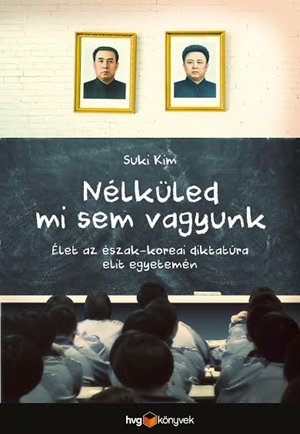
Hat hónap rettegés: "Fél évig tanítottam Észak-Korea elitjét"

  KULT
A dél-koreai származású Suki Kim hat hónapot oktatott egy észak-koreai egyetemen, de tanári állása álca volt: könyvet írt az elitintézmény hétköznapjairól és diákjairól. A magyarul most megjelent kötetében Észak-Korea eddig ismeretlen, ám még félelmetesebb arcát ismerhetjük meg, egy olyan világot, ahol ismeretlen fogalom az internet vagy a bizalom. Mindenkit megfigyelnek, és minden tekintetnek, szónak következménye lehet. Az íróval beszélgettünk, aki szerint a nyugati média egyoldalú hírei mellett meg kell ismernünk az ott élők pszichológiáját is.

hvg.hu: A könyve (Nélküled mi sem vagyunk) amerikai megjelenésekor azt nyilatkozta, az volt a célja, hogy emberibb képet adjon Észak-Koreáról és az ott élőkről. Sikerült elérnie ezt a célt?

© 
Suki Kim: A hírekből kirajzolódó képet akartam árnyalni. Nagyon keveset tudunk Észak-Koreáról, és ezt a keveset is kizárólag az országból kiszökő emberek leírásaiból. Én is beszélgettem szökevényekkel, de ennél többre vágytam. Hiszen a disszidensek beszámolóin kívül csak a propagandaszövegeket, a nukleáris fenyegetéseket lehet olvasni a hírekben, ha Észak-Koreáról esik szó. Kim Dzsong Un egy gonosz bohócnak tűnik: csak nevetünk rajta, de ennél tovább nem látunk.
Én az ott élők pszichológiáját, érzéseit akartam megismerni, a bennünk élő, erősen hiányos kép mögé lesni. Meg akartam érteni, hogy kik is ők valójában. És be kell valljam, megszerettem a diákjaim – 19-20 éves fiúk voltak, teljesen hétköznapi érzésekkel. A lányok, a sport, szóval teljesen „normális” dolgok érdekelték őket. És azt gondolom, ha már sikerült másokkal is megismertetnem őket, ha mások is meglátták bennük az embert, akkor elértem a célom.
hvg.hu: Angoltanárként vették fel az egyetemre, de ez csak az álcája volt. Titokban írta a jegyzeteit, de hogyan rejtette el őket?
S. K.Mivel tanár voltam, semmiképp sem keltett feltűnést, ha a számítógépemen dolgoztam. Viszont rendkívül szoros napirendünk volt, így a legtöbbször éjszakánként és kora reggel tudtam a könyvemet írni. A mentéseket azonban a legtöbbször magamnál, a testemre erősítve tartottam.

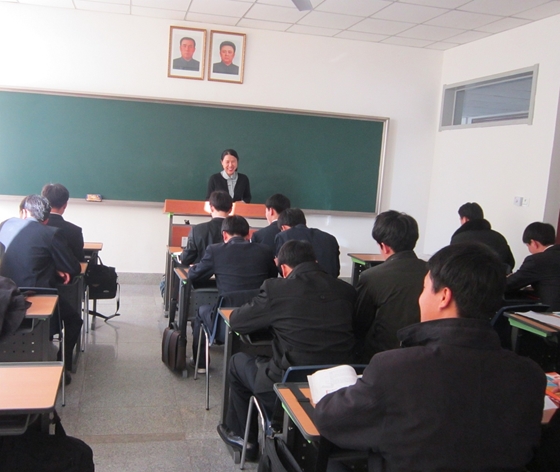
Suki Kim órát tart a Phenjani Műszaki Egyetemen
© 
Nem kockáztathattam meg a lebukást, már csak azért sem, mert a többi tanár előtt is volt titkolnivalóm, hiszen nem voltam hívő misszionárius sem, mint ők. Tudtunk róla hogy bármikor átnézhetik a szobánkat vagy a számítógépünket.
hvg.hu: Milyen következményei lehettek volna a lebukásnak?
S. K.: Ezt nem tudtam, de a lebukástól való félelem végigkísérte az ott töltött hat hónapot. Fontos megérteni, hogy nem csak magamat kevertem volna bajba egy elszólással vagy a lelepleződésemmel. Miután egyre közelebb kerültünk egymáshoz a diákjaimmal, nyilvánvalóvá vált, hogy a lebukásommal az ő életük is veszélybe került volna.
Rendkívül nehéz volt megélni, hogy miközben együtt éltünk a diákokkal, napjában háromszor együtt étkeztünk, a szünetekben együtt kosárlabdáztunk, megvoltak a belső poénjaink, nem bízhattál meg senkiben. Nem tudhattad, ki az, aki pusztán kíváncsiskodik, és ki az, aki tesztel.
Ez volt a helyzet akkor is, amikor az egyik angolórán az országgyűlés fogalma merült fel. Nekem, ha meg akartam velük értetni ezt a fogalmat, közvetve a demokráciáról is beszélnem kellett. Ezzel elképesztően veszélyes terepre merészkedtem. Féltem, és féltettem a diákjaimat is. Az egyik diák ráadásul többször is visszakérdezett, és én nem tudtam eldönteni, hogy csak kíváncsi volt, vagy csapdába akart csalni.
hvg.hu: Az egyetem, ahol tanított, elitintézménynek számított. Akkor is folyt itt a tanítás, amikor az összes többi egyetem bezárt, és dolgozni küldték a hallgatókat. Diákjai Észak-Korea jövőbeli vezető rétegét adják majd. Lát bármiféle reményt a változásra?
S. K.: A legfélelmetesebb az, hogy az ott töltött idő alatt egyszerűen nem láttam repedést a rendszerben. Egy elit műszaki egyetemről beszélünk, és a diákok nem ismerték az internetet. Csak az államilag korlátozott intranetet használhatták, de azt is csak egy szűk réteg.

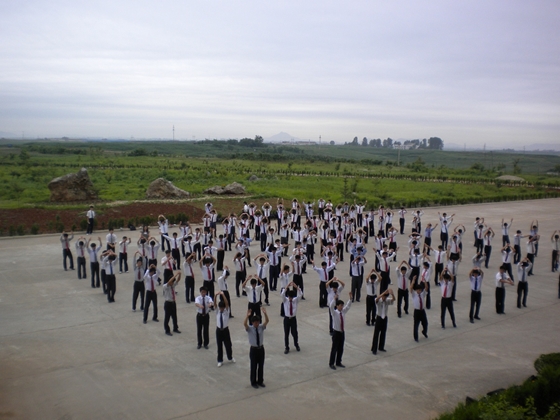
Reggeli torna
© 
Ezek a fiatalok olyan rendszerben élnek, ahol nem bízhatnak senkiben. Esély sincs egy emberi kapcsolat kialakítására. Gondoljon csak bele, az egyetemen hetente összegyűlnek a diákok egy megbeszélésre, amelynek az a célja, hogy nyíltan, mindenki előtt kibeszéljék egymást. Hogyan lehetne így bárkivel is bizalmasan beszélni?
A hatalom célja az emberi mivolt megtörése. Mindezt súlyosbítja a – szó szerint – mindent behálózó Nagy Vezér-kultusz. Erről énekelnek, erről tanulnak, ezt látják a tévében, az emlékműveken, a plakátokon. Olyan kultusz ez, amelyet a konfucianizmus és a kereszténység keverékeként lehetne leírni. A Nagy Vezér egyszerre misztikus erő és istenség az észak-koreaiak szemében.
Szóval, én úgy láttam, táplálhatunk bármiféle reményt, azt tudnunk kell, hogy a rendszer megbízhatóan működik, és én nem látom benne a rést, ahol támadható lenne. Jártam már korábban is Észak-Koreában rövid látogatásokra, de ezt a campuson értettem meg.
hvg.hu: A könyvének van egy rendkívül személyes rétege. Nagyszülei családját is örökre szétválasztotta Korea két részre osztása. Milyen volt a családja és Dél-Korea reakciója a könyvére?
S. K.: A koreai háború az ötvenes években volt, és ez azóta is rendkívül érzékeny téma, amiről nagyon nehezen beszélnek az érintettek. Egy apró döntés miatt anya és fia örökre elveszthette egymást, ahogy az a nagymamámmal is történt.
Mégis beszélnünk kell arról, hogy miért történhetett meg mindez. Dél-Korea a világ egyik leggazdagabb, legfejlettebb országa, míg ugyanazon a félszigeten, pár száz kilométerrel arrébb emberek éheznek egy totalitárius, elnyomásra épülő rendszerben. Dél-Korea az USA-ra barátként tekint, de fel kell tennünk a kérdést, miért állomásoznak még mindig az országunkban?
Könnyen elfelejtkezünk ezekről a kérdésekről. A könyvem viszont újra szembesít ezekkel a nehéz témákkal, ezért éreztem fontosnak a megjelentetését. Ha elindul a párbeszéd, ha az olvasók beszélnek erről, akkor már megérte.
hvg.hu: Mit tapasztalt a diákjain, ők tudnak az országukban zajló kínzásokról, a munkatáborokról?
S. K.: Szerintem nem tudnak róla. Legalábbis úgy gondolom, észrevettem volna, ha sejtenek valamit a gulágok létezéséről. Az egyik órán például a náci Németországról volt szó, és ott azt érzékeltem, fel sem merült bennük a párhuzam a náci hatalom módszerei és az ő valóságuk között.

Kim Ir Szen-fal Phenjanban
© 
hvg.hu: Van egy rendkívül izgalmas rész a könyvében, ahol arról ír, mennyire fáradt és kimerült volt az egész tanári kar az állandó megfigyelés tudatától. Mesélne erről a jelenségről?
S. K.: Az állandó félelem éberré tesz. Iszonyatosan kimerítő, ha minden szavadra, minden apró tevékenységedre oda kell figyelned. Egész nap azon jár az agyad, erről vagy arról a témáról hogyan beszélj a diákjaidnak, úgy, hogy ne keverd magad és őket sem bajba.
Lefekvés előtt is mindig azon gondolkoztam, vajon ma követtem-e el hibát? Mibe köthetnek bele? Vajon nem tettem-e tönkre valaki életét egy rossz szó miatt? Az állandó éberség, a túlfeszített figyelem miatt panaszkodott a többi tanár is levertségre, fáradtságra.
hvg.hu: Érdeklődtek a diákjai a származásáról, a világ többi részéről?
S. K.: Ha fel is merült ilyen jellegű kérdés, azt nem maguktól, hanem a tananyaghoz kapcsolódva tették fel. A közös koreai nyelv miatt persze volt egyfajta összekacsintás köztünk, és azt is tudták, hogy Amerikából érkeztem.
De számukra Észak-Koreán kívül nem létezett más. Sohasem hagyták el az országot, és nem hiszem, hogy valaha bármelyiküknek lehetősége lesz máshova utazni. Ezért is volt abszurd angolra oktatni őket. Számukra mindenben Észak-Korea a legjobb, a legnagyobb, az ő tudósaik a legokosabbak. A szürke és a betontömböktől hemzsegő Phenjant tartják a világ legszebb városának.
Nem ismerik az internetet, esélyük sincs arra, hogy bármit megtudjanak az ország határain kívül zajló történésekről. Egy-egy illegális film DVD-n persze eljuthat hozzájuk, de ezek sem ébresztenek kétkedést bennük, hiszen képtelenek bármit is a Nagy Vezér kultuszán kívül szemlélni.

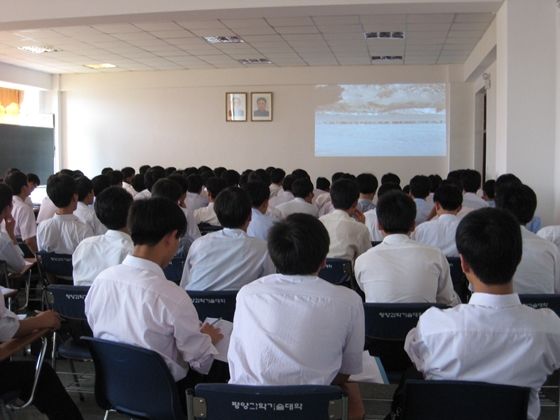
A diákok filmet néznek - a vezetők arcképére azonban tilos vetíteni
© 
Egy diákom például az egyik közös étkezésünkön azt mondta, szeret rock’n’roll dalokat énekelni. Ahogy kimondta, ő és a környékén ülők is teljesen lefagytak. Amerikai számok előadása ugyanis teljesen tilos, csak a Nagy Vezérről szóló dalokat énekelhettek. Esély sincs tehát az apró lázadásokra sem, mert máris több szempár szegeződik rád. Sohasem vagy egyedül. Sőt, ahogy a könyv címe is jelzi, számukra az egyes szám első személy sem létezik igazán. Észak-Koreában az „én”-nek nemcsak a „mi”-nek van valódi jelentése.
Névjegy
Suki Kim 13 éves koráig Szöulban élt, mielőtt szüleivel Amerikába költöztek. Mint a legtöbb koreait, az ő családját is tragikusan érintette az ország kettészakadása, több közeli rokona tűnt el nyomtalanul Észak-Koreában. És mint a legtöbb koreai, Suki Kim is az újraegyesítésről álmodott, saját bevallása szerint „megszállottjaként” az országnak. Újságíróként 2002 óta rendszeresen megfordult Észak-Koreában, cikkei olyan magazinokban jelentek meg, mint a The New York Times és a Harper’s. A Phenjani Egyetemre az intézményt alapító James Kimnél jelentkezett, meglepte, hogy állást ajánlottak neki, de természetesen vállalta a feladatot. Végül, 2011-ben fél éven át tanított a Phenjani Műszaki Egyetemen. Jelenleg Manhattanben él. Írói munkáját eddig a John Simon Guggenheim, a Fulbright és a Nyílt Társadalom Alapítvány ösztöndíjával támogatták.
hvg.hu: Tud bármit is arról, mit történhetett azóta a diákjaival?
S. K.: Nem, semmilyen információ sem jutott el hozzám. De a diákjaim – sejtésem szerint – azóta levizsgáztak, és az ország fontos pozíciói várnak rájuk. Az egyetem elnökétől és az ott tanító misszionáriusoktól természetesen felháborodott leveleket kaptam. De nekem fontosabb volt az ő érdeküknél az, hogy hiteles képet adjak egy országról, amelyről nagyon keveset tudunk.
A diákjaim, az elitet képező ifjú réteg is szegényes étkeztetésben részesül, súlyos, mindent behálózó kontroll alatt él. Egy fenyegető családban, fenyegető iskolai rendszerben nőnek fel: bármikor bántalmazhatják, megkínozhatják őket.
Meg kell értenünk, hogy Észak-Korea a valaha létezett legkegyetlenebb elnyomó rendszer. Nem hasonlítható semmi máshoz, a Szovjetunióhoz sem, mert itt még az elit sem élvez kiváltságokat.
(Disclaimer: A hvg.hu kiadója tulajdonosa a könyvkiadással foglalkozó HVG Könyveknek.)

Saturday, September 24, 2016

A Diversified Economy Cushions Columbus, Ohio, From Downturns

September 19, 2016 6:23 PM ET
Transcript
ROBERT SIEGEL, HOST:
Many cities in the Midwest have experimented with various ways to revive their city centers and stimulate growth. One success story is Columbus, Ohio. The population is growing, and so are wages. The downtown is being revitalized. Housing prices are still low, and so is unemployment. Columbus has become a nearly recession-proof hub of Ohio.
All this week, NPR is asking this question. How can you create economic opportunity for more Americans? It's part of our election year project with member stations called A Nation Engaged. We sent NPR's Sonari Glinton to find out if the success of Columbus can be replicated.
SONARI GLINTON, BYLINE: There are few things more annoying than when a national media organization like NPR comes to your town and discovers it. Well, they call it Columbusing, and I'm essentially Colombusing Columbus.
TARA DEFRANCISCO: (Laughter) You are. You're the Amerigo Vespucci of the world here. It's really happening.
GLINTON: I met Tara DeFrancisco and her husband, Rance Rizzutto, at a coffee shop across from the state capitol. Now, they just moved from Chicago to Columbus to start an improv comedy theater.
Now, since they've been touring the country, they thought did they really need to live in Chicago even if it is the epicenter of improv? They recently closed on a house here.
DEFRANCISCO: I think we're saving something like $500 a month-ish (ph) on buying a home. I don't think that Rance or I expected to own a home in our lifetime - maybe buying a modest condo but not a house with a yard that has food in it.
GLINTON: Now, when DeFrancisco started in improv, there wasn't an improv or sketch comedy scene here, so she had to move to Chicago. Increasingly she found herself coming back to Columbus, and she and her husband thought, well, why not stay?
DEFRANCISCO: I think part of the reason we were finally compelled to move is that we didn't feel like we were losing anything. It's a very affordable cost of living. So if you can bring art to those communities, then they don't have to necessarily push out to the bigger cities.
GLINTON: Can I get you to introduce yourself for me?
CAMERON MITCHELL: Sure. Hi, my name is Cameron Mitchell. I'm the founder and CEO of Cameron Mitchell Restaurants located here in Columbus, Ohio.
GLINTON: Mitchell has more than a dozen locations in Columbus and around the country. He and almost anyone you talk to point to the revitalization of a neighborhood called the Short North as a springboard for the new Columbus.
MITCHELL: Twenty years ago, this was a Quonset hut here. You wouldn't be caught dead walking around here at night. All these buildings were all dilapidated. There were no hotels here. It was decrepit down here. It was a rundown, dead urban core.
GLINTON: It was the tech boom of the '90s, and almost all of Columbus's big players - business, the university, the city - realized they were missing out.
MITCHELL: Ten, 15, 20 years ago, we were stagnant here in Columbus, very stagnant, and we deserve the reputation we have. And now the reputation we have today is well-earned, and it's through the work and collaboration of a lot of great people.
GLINTON: What do you think the reputation...
MITCHELL: Smart, open, young, vibrant city.
GLINTON: All right, so I headed over from the Short North south to Columbus Commons. That's where I met David Stebenne. He's a professor of law and history at the Ohio State University.
Stebenne says just a few years ago Columbus was mocked as being kind of a cow town, a paper-pusher town because many of the city's white-collar jobs were from the university, state government and the insurance industry. He says that was last century.
DAVID STEBENNE: In a service economy, Columbus was destined to do better, especially than Cleveland and Youngstown and other places that had a lot of sort of smokestack industry. But there's still a range of how much better. And what has startled all of Ohio and especially the folks in Cleveland and Cincinnati is how much better Columbus has done.
GLINTON: Stebenne says population wise Columbus is gaining while Cleveland and Cincinnati are declining. The staples of the economy are white-collar jobs - insurance, state government, retail and the university. Stebenne points out that Columbus didn't have quite the same contentious school desegregation fight that other cities had, and Columbus also annexed a lot of land at the edge as whites began moving to the suburbs. That kept the tax base broad and the taxes low.
STEBENNE: The ability of Columbus to attract and retain many of the brightest young people in Ohio is now well known around the state.
GLINTON: OK, our next stop is a food truck. What would a Columbusing story about Columbus be without a food truck? It's O Hai Poke. For those unfamiliar, Poke is a sort of Hawaiian sushi. Nile Woodson is the 26-year-old founder.
NILE WOODSON: All right, all right, excellent. So you're familiar with Poke.
GLINTON: So I think it's hilarious that I find the black guy with the Hawaiian food truck.
WOODSON: Yeah. That's it. That's the name of the game. Well, I think that comes down to the entrepreneurial drive.
GLINTON: Woodson is an OSU graduate. Now, he had a choice to go home or to stay and start a business with his buddy in Columbus.
WOODSON: And it was, like, go to New York where it's extremely competitive and extremely expensive. And even being from there at that point in time, I didn't have as strong of a network. But Columbus is all about support and community and networking, and it's just this awesome place.
GLINTON: All right, so this is the moment where I bring out the expert who tells other cities what they could do to duplicate Columbus's success. Well, we have an expert - Enrico Moretti. He wrote a popular book called "The New Geography Of Jobs." He says you can sum up much of Columbus's success with one word.
ENRICO MORETTI: Serendipity. I've looked at the history of most clusters of innovation in the U.S., and it's rarely the case - in fact I couldn't find any example - where it was the local government that decided to create an innovation cluster there.
GLINTON: Moretti says Columbus is lucky - the university, the capital being in the center of the state.
MORETTI: Cost of living is affordable. The skill of the labor force - it's high, and taxes tend to be generally low. The regulatory environment tend to generally be pro-business. So these are all factors that favor Columbus over other locations.
GLINTON: So Columbus didn't mess it up.
MORETTI: Columbus didn't mess it up. Columbus took the seed and made the best of it.
GLINTON: OK, everybody, I have discovered Columbus - all right, just kidding. Sonari Glinton, NPR News.
Copyright © 2016 NPR. All rights reserved. Visit our website terms of use and permissions pages at www.npr.org for further information.
NPR transcripts are created on a rush deadline by Verb8tm, Inc., an NPR contractor, and produced using a proprietary transcription process developed with NPR. This text may not be in its final form and may be updated or revised in the future. Accuracy and availability may vary. The authoritative record of NPR’s programming is the audio record.

Nevermind

September 24th, 1991 September 24th, 2016 Nevermind 25th anniversary Thank you for all Nirvana

Tuesday, September 13, 2016

Ahogy Hofi mondta...

..., "ha a nyugat meghal és eltemetik, akkor éjjel nem ők jönnek majd kísérteni, hanem mi megyünk enni". Elképesztő, hogy ugyanazokat a jelszavakat és fordulatokat hasznàljàtok, mint a komcsik negyven évig. Legalàbb a làtszatra adjatok màr. Szànalmas. 1948, és a kékcédulás választások óta kizárólag hazaáruló komcsik/ komcsi maradványok vezetik az országot, az mindegy, hogy liberális demokratának nevezik magukat, vagy keresztény jobboldaliaknak, ugyan abból az mkp-mszmp brancsból származik a maszop, a fidesz és a dk is. Ez érezhető is az ország állapotán.

Thursday, September 8, 2016